

Pure Helix Research
Testing Standards
Our quality program is built for in vitro laboratory research buyers who require clear purity specifications, disciplined analytical review, and consistent documentation across every RUO product line.
Standards
What We Verify
Each batch is reviewed against documented research-use specifications so laboratories can evaluate identity, purity, and handling details before use.
Purity Review
Primary purity targets are assessed against product specifications, including high-purity benchmarks such as 99% HPLC where applicable.
Identity Confirmation
Analytical data is checked to confirm the expected compound profile, helping support accurate cataloging and internal laboratory verification workflows.
Specification Control
Key reference details such as CAS number, molecular weight, lot information, and storage guidance are aligned with the product record.
Documentation Readiness
Testing records and supporting product details are organized to help research buyers review materials efficiently during procurement and intake.
COA Review Process
Our certificate workflow is designed to present essential analytical checkpoints in a consistent sequence for laboratory purchasing and review teams.
01
Batch Intake
Lot details are matched to the internal product record and specification set before release documentation is prepared.
02
Analytical Check
Reported testing outputs are reviewed against the expected profile for the material and its listed research-use standard.
03
COA Assembly
Relevant batch identifiers, analytical references, and specification notes are compiled into a structured certificate format.
04
Release Review
Final documentation is checked for consistency before materials are made available through the catalog.
Specifications
Key Product Data
Product listings are structured to give laboratory buyers fast access to the technical details most relevant to sourcing and internal review.
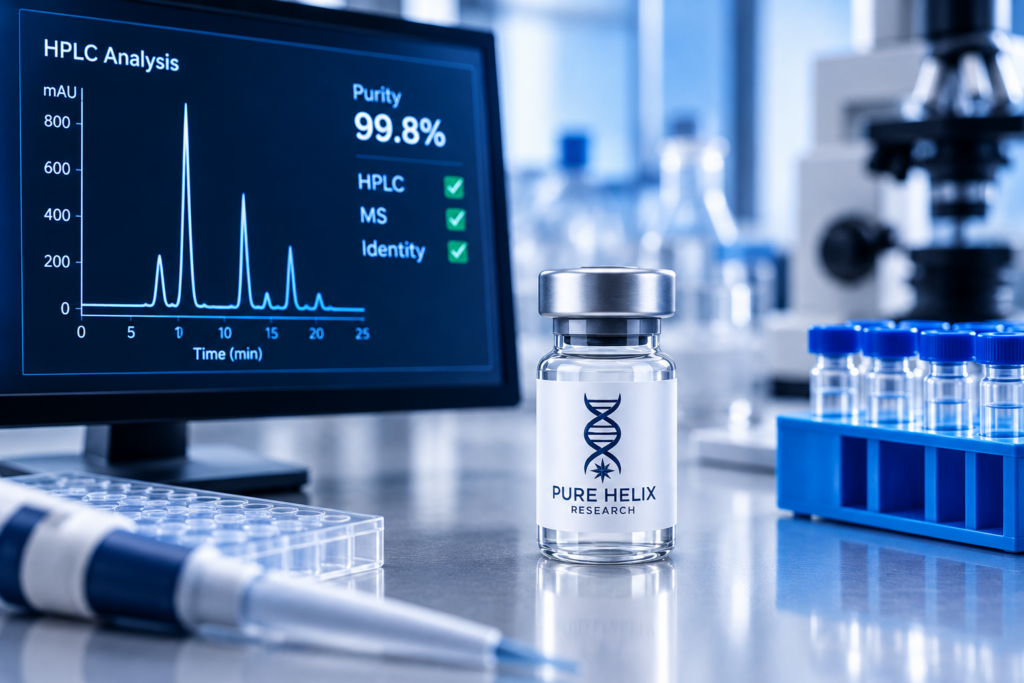
Purity Specs
Listings highlight target purity information, including high-purity analytical benchmarks where applicable.
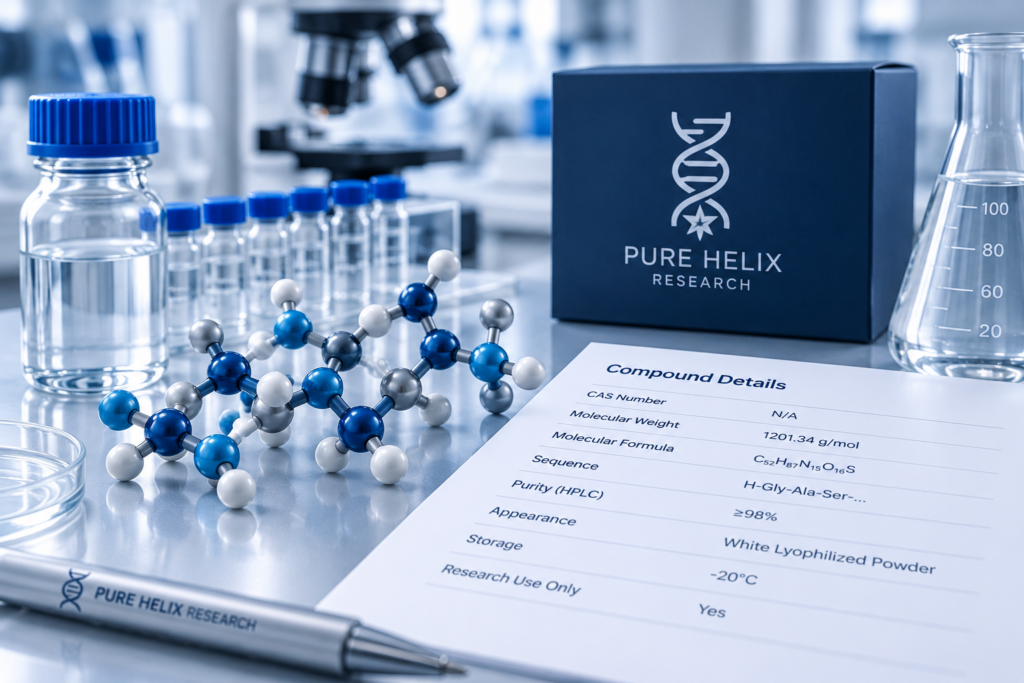
Compound Details
Core identifiers such as CAS number and molecular weight are presented to support product comparison and recordkeeping.
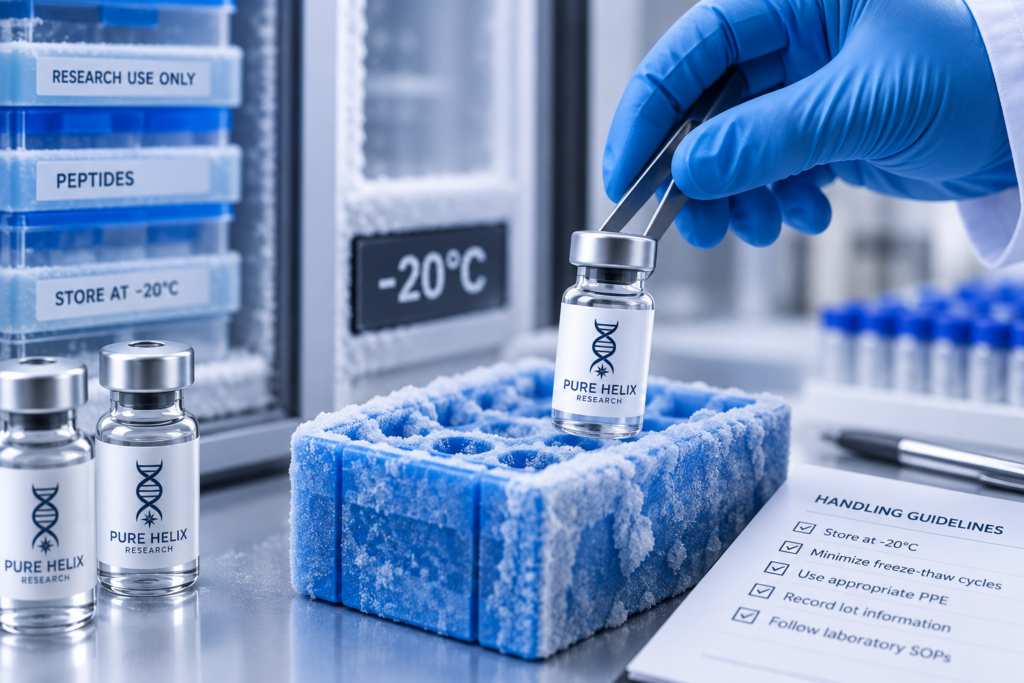
Handling Notes
Storage and lot-related details help laboratories plan receiving, documentation, and controlled use procedures.